
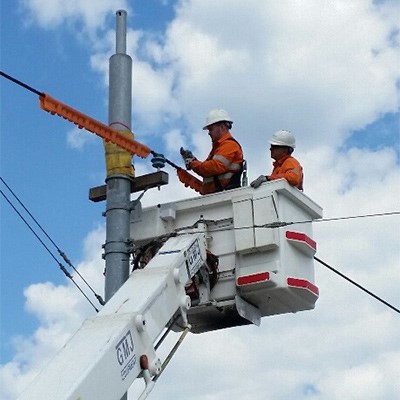
White Paper: Succession Planning in the Traction Industry
Overview:
Integris Group Services are proud to have worked on this white paper, which addresses the succession planning challenges faced by traction industry—a sub-sector of both the electricity and rail industries within Australia.
While there is limited research on the specific challenges in this niche sector, the document presents and expands on broader industry issues, such as increased service demand, recruitment difficulties, an aging workforce, skills shortages, and a poor industry image within the rail sector.
In the context of high investment and environmental sustainability obligations, the traction industry is experiencing an unprecedented demand for a skilled workforce.
Our guidance note emphasises the importance of industry apprenticeships in sustaining the workforce but notes a decline in intake and completion rates.
Our paper also urges industry operators to focus on strategies for attracting, developing, and sustaining a skilled workforce by assessing critical roles, planning for workforce availability, and ensuring the necessary competencies and qualifications.
This industry guidance note may also be relevant in other industries, which may be facing similar challenges.
Interested in finding out more?
Read our Summary of a white-paper developed on succession planning strategies to attract, develop and sustain a capable workforce.
Given the significant emphasis on apprenticeships within the traction industry as a solution to workforce sustainability, what strategies does the white paper recommend for reversing the observed decline in apprenticeship intake and completion rates?
To counter the decline in apprenticeship rates, the white paper suggests a multi-faceted approach. This could include enhancing the visibility and appeal of apprenticeships through targeted marketing campaigns that highlight the career opportunities within the traction industry. Additionally, partnering with educational institutions to provide clear pathways from education to industry and improving the support and mentorship for apprentices within the workplace are key strategies. Ensuring that apprenticeships offer competitive remuneration and clear progression opportunities can also play a critical role in attracting and retaining talent.
The white paper outlines multiple challenges faced by the traction industry, including an aging workforce and skills shortages. How does it propose the industry should balance the immediate need for skilled workers with the longer-term strategy of attracting and retaining new talent, especially considering the poor industry image within the rail sector?
The white paper advocates for a dual approach that addresses both immediate and long-term workforce challenges. In the short term, strategies such as upskilling current employees and adopting flexible work practices to retain older workers could be pivotal. For the long term, the paper suggests initiatives like engaging with younger demographics through STEM programs in schools, improving the industry’s image to attract new entrants, and creating clear career development paths within the industry.
With the traction industry experiencing unprecedented demand due to high investment and environmental sustainability obligations, what specific actions does the white paper suggest for industry operators to not only meet this demand but also ensure the workforce is skilled and equipped to tackle future challenges?
To meet the current demand and prepare for future challenges, the white paper emphasizes the importance of investing in technology and innovation to make the industry more attractive and efficient. It also recommends developing strategic partnerships with training providers to ensure that the workforce has access to the latest skills and knowledge. Furthermore, creating a culture of continuous improvement (or continual improvement) and learning within organisations to help ensure that employees are always equipped to meet changing industry demands.
Recruitment difficulties are highlighted as a major concern in the white paper. Could you elaborate on the innovative recruitment strategies it recommends for the traction industry to attract a more diverse workforce and improve the industry image?
The document suggests that to overcome recruitment difficulties, the traction industry should focus on broadening its appeal. This involves showcasing the industry’s commitment to sustainability and innovation, which aims to attract environmentally and technologically minded individuals.
Implementing inclusive hiring practices to reduce biases and actively promoting diversity within the industry can also attract a wider range of candidates. Additionally, offering flexible working arrangements and emphasizing work-life balance could appeal to a broader demographic.
The document underscores the critical role of industry apprenticeships. In light of the challenges presented, does the white paper offer any guidance on how the traction industry might enhance the appeal of apprenticeships to a broader demographic, potentially including mid-career professionals seeking a transition into the sector?
To make apprenticeships more attractive to a broader demographic, including mid-career professionals, the white paper recommends showcasing the tangible benefits and career opportunities that apprenticeships in the traction industry provide.
Offering apprenticeship programs that include upskilling in new technologies and sustainability practices could appeal to those looking for careers in these areas.
Moreover, creating apprenticeship programs that recognise and credit previous work experience or skills could attract professionals considering a career change.
Welcome to Integris Group Services. Before you explore our website, we want to inform you about the use of cookies on our website. By continuing to browse and use our site, you are agreeing to our use of cookies as described in our Privacy Policy and Terms & Conditions.
Functional
Always active
The technical storage or access is strictly necessary for the legitimate purpose of enabling the use of a specific service explicitly requested by the subscriber or user, or for the sole purpose of carrying out the transmission of a communication over an electronic communications network.
Preferences
The technical storage or access is necessary for the legitimate purpose of storing preferences that are not requested by the subscriber or user.
Statistics
The technical storage or access that is used exclusively for statistical purposes.The technical storage or access that is used exclusively for anonymous statistical purposes. Without a subpoena, voluntary compliance on the part of your Internet Service Provider, or additional records from a third party, information stored or retrieved for this purpose alone cannot usually be used to identify you.
Marketing
The technical storage or access is required to create user profiles to send advertising, or to track the user on a website or across several websites for similar marketing purposes.
white paper planning, succession planning white paper, the succession group, traction industries, transition and succession planning degrees online, traction group, short succession planning degrees online, integris group services, australian trucking industry struggles
Challenges in Succession Planning for the Traction Industry
Succession planning in the traction industry faces unique challenges that stem from a combination of an aging workforce and a lack of new entrants. As experienced professionals retire, the industry is left with a skills gap that can hinder operational efficiency and service delivery.
Moreover, the perception of the traction industry as less appealing compared to other sectors contributes to recruitment difficulties. Addressing these challenges requires a strategic approach that includes enhancing the industry's image and promoting the benefits of careers within this field.
Strategies for Attracting Young Talent
Attracting young talent to the traction industry is essential for ensuring a sustainable workforce. Initiatives such as engaging with schools through STEM programs can inspire students to consider careers in this sector. By showcasing the technological advancements and career opportunities available, the industry can capture the interest of younger demographics.
Additionally, partnerships with educational institutions can facilitate internships and apprenticeships that provide hands-on experience. This early exposure not only builds interest but also helps students understand the value of a career in the traction industry.
Enhancing Apprenticeship Appeal
To make apprenticeships more attractive, it is crucial to highlight the tangible benefits they offer. The traction industry can showcase success stories of apprentices who have progressed into fulfilling careers, demonstrating the potential for growth and advancement.
Moreover, incorporating flexible training schedules and career development pathways can appeal to a broader audience, including mid-career professionals looking for a transition. By addressing the needs of diverse groups, the industry can attract a wider range of candidates to its apprenticeship programs.
Importance of Continuous Improvement in Workforce Development
A culture of continuous improvement is vital for adapting to the evolving demands of the traction industry. Organizations must prioritize ongoing training and development to equip their workforce with the necessary skills to meet changing industry standards.
Implementing regular training sessions and encouraging feedback can foster an environment of learning and growth. This commitment not only enhances employee satisfaction but also ensures that the workforce remains competitive and capable of driving innovation.
white paper planning, succession planning white paper, the succession group, traction industries, transition and succession planning degrees online, traction group, short succession planning degrees online, integris group services, australian trucking industry struggles
Challenges in Succession Planning for the Traction Industry
Succession planning in the traction industry faces unique challenges that stem from a combination of an aging workforce and a lack of new entrants. As experienced professionals retire, the industry is left with a skills gap that can hinder operational efficiency and service delivery.
Moreover, the perception of the traction industry as less appealing compared to other sectors contributes to recruitment difficulties. Addressing these challenges requires a strategic approach that includes enhancing the industry's image and promoting the benefits of careers within this field.
Strategies for Attracting Young Talent
Attracting young talent to the traction industry is essential for ensuring a sustainable workforce. Initiatives such as engaging with schools through STEM programs can inspire students to consider careers in this sector. By showcasing the technological advancements and career opportunities available, the industry can capture the interest of younger demographics.
Additionally, partnerships with educational institutions can facilitate internships and apprenticeships that provide hands-on experience. This early exposure not only builds interest but also helps students understand the value of a career in the traction industry.
Enhancing Apprenticeship Appeal
To make apprenticeships more attractive, it is crucial to highlight the tangible benefits they offer. The traction industry can showcase success stories of apprentices who have progressed into fulfilling careers, demonstrating the potential for growth and advancement.
Moreover, incorporating flexible training schedules and career development pathways can appeal to a broader audience, including mid-career professionals looking for a transition. By addressing the needs of diverse groups, the industry can attract a wider range of candidates to its apprenticeship programs.
Importance of Continuous Improvement in Workforce Development
A culture of continuous improvement is vital for adapting to the evolving demands of the traction industry. Organizations must prioritize ongoing training and development to equip their workforce with the necessary skills to meet changing industry standards.
Implementing regular training sessions and encouraging feedback can foster an environment of learning and growth. This commitment not only enhances employee satisfaction but also ensures that the workforce remains competitive and capable of driving innovation.