Modern Workplace Strategy: Practical Tips for Success with Remote Work
Modern Workplace Strategy
An Article by Stephanie Werner
Founding Partner,Integris Group Services
Is your organisation adapting to the modern workplace strategy of supporting remote work, wellbeing, and resilience?
As we navigate the rapidly changing landscape of the modern workplace, it is essential to anticipate and adapt to the new operating climate, as well as the needs and expectations of our people.
At Integris Group Services, we are committed to helping our clients in this evolving environment by implementing an effective Modern Workplace Strategy.
There are also valuable resources that provide a broader look at the modern workplace [i], but here we focus on practical strategies such as remote working, employee wellbeing, and organisational resilience to help your organisation succeed.
Strategies for Working Remotely: The New Normal
The COVID-19 pandemic has permanently changed the way we work, making flexibleworking a key feature of the modern workplace. To thrive in this new environment, organisations should:
Invest in Technology
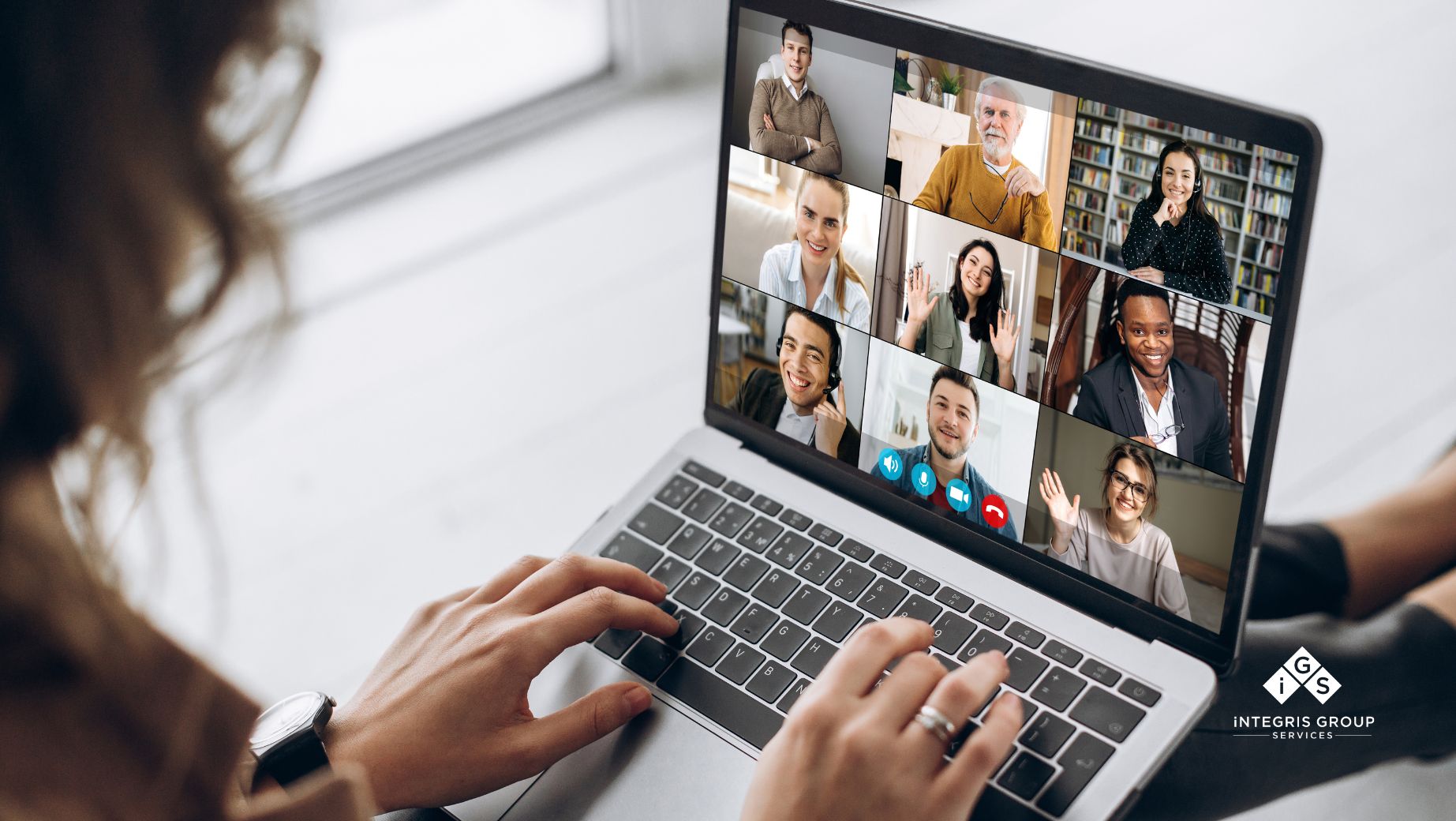
Equip your team with reliable collaboration tools such as Zoom, Microsoft Teams, and Slack.
Ensure everyone has access to necessary hardware like laptops and high-speed internet, essential for seamless Remote Working Strategies.
Develop Robust Policies
Create clear remote work policies that outline expectations for availability, communication protocols, and performance metrics.
Regularly review and update these policies based on feedback and evolving needs, ensuring they align with Employee Wellbeing and Organisational Resilience.
Foster a Remote Culture
Schedule regular virtual team meetings and social events to maintain team cohesion.
Encourage informal check-ins and use collaboration platforms to keep everyone connected.
A strong remote culture also fosters Workplace Diversity and Inclusion by allowing people from different locations and backgrounds to collaborate effectively.
Employee Wellbeing: A Strategic Priority
The importance of employee wellbeing has been magnified by the pandemic. To support your workforce effectively, and contribute to Organisational Resilience, consider these strategies:
Embrace Flexible Working Arrangements:
Work with your employees to set working hours that suit both their ability to succeed in their role as well as their need for work-life balance.These arrangements are key to thriving in a modern workplace that values Employee Wellbeing and supports a people-first approach to organisational culture [ii].
Enable Access to Mental and Physical Health Support:
Offer access to mental health resources such as counselling services or an Employee Assistance Program (EAP). Promote physical health through virtual fitness classes or wellness challenges, ensuring a holistic approach to Employee well-being in the modern workplace.
Adopt Empathetic Leadership Principles:
Train managers to recognise signs of stress and burnout. Encourage open conversations about mental health and provide support as needed, fostering a culture of support that enhances both Employee well-being and Organisational resilience.Effective leadership [iii], rooted in empathy, addresses immediate concerns and strengthens teams over the long term by fostering trust and resilience.
Organisational Resilience: Building a Future-Ready Workforce
Building organisational resilience is crucial for adapting to change and overcoming disruptions.Practical steps include:
Cultivate Continual Learning with Online Courses & Certifications
Provide access to online courses and certifications through your internal LMS or other external platforms such as Coursera or LinkedIn Learning. Encourage employees to dedicate time each week to skill development.
Adaptive Leadership
Hold regular strategy sessions to discuss market changes and potential impacts on the business. Encourage leaders to adopt a growth mindset and remain flexible in their approaches.
Agility and Innovation
Foster a culture that encourages creative thinking and innovation. Provide opportunities for employees to propose new ideas, and reward innovative solutions. This mindset will help the organisation quickly adapt to new opportunities and threats.
The Role of Data and Insights
Data-driven decision-making is essential for shaping an effective modern workplace strategy. To leverage data effectively:
Humanise Employee Development and Performance Improvement
Use data to tailor employee development plans and recognition programs, ensuring they meet your workforce’s specific needs and preferences.
Utilise Analytics for Organisational HR Trends
Use HR analytics tools to monitor key metrics like employee engagement, turnover rates, and productivity. Regularly review these metrics to identify trends and areas for improvement.
Embrace AI and Machine Learning for Workforce Productivity
Integrate AI tools to automate routine tasks, such as scheduling meetings or analysing large data sets, freeing up time across your team to focus on more strategic-level activities.
Embracing Diversity and Inclusion
Diversity and inclusion are critical for a thriving workplace. Practical steps to foster an inclusive environment include:
Inclusive Policies
Develop and implement policies that promote diversity in hiring, endorse pay equality, and support career advancement. Regularly review these policies to ensure they remain effective for your organisation and for your team.
Diverse Perspectives
By valuing different viewpoints, organisations can drive innovation and better problem-solving. Do this by creating diverse teams to bring multiple perspectives to decision-making processes, encouraging open dialogue and active listening, as well as run training sessions on unconscious bias.
Supportive Environment
Provide diversity training for all employees. Celebrate cultural events and milestones to promote understanding and respect within the workplace. Create employee resource groups to support underrepresented communities and foster a sense of belonging.
In Conclusion
A successful Modern Workplace Strategy demands a practical approach that embraces remote working, prioritises employee wellbeing, builds organisational resilience, and uses data-driven insights to stay competitive.

At Integris Group Services, we are here to help organisations navigate this evolving landscape with strategies that lead to lasting success. By staying ahead of trends and fostering a supportive and inclusive culture, businesses can adapt and thrive in the modern work environment.
But are you ready to embrace these changes and drive your organisation forward?
It is essential for organisations to remain agile and open to new ideas. The ability to anticipate and respond to emerging trends will be key to sustaining success and driving long-term growth. We are dedicated to guiding our clients through these changes and helping them achieve their full potential in the dynamic world of work.
Ready to implement a Modern Workplace Strategy and drive success for your organisation?
Welcome to Integris Group Services. Before you explore our website, we want to inform you about the use of cookies on our website. By continuing to browse and use our site, you are agreeing to our use of cookies as described in our Privacy Policy and Terms & Conditions.
Functional
Always active
The technical storage or access is strictly necessary for the legitimate purpose of enabling the use of a specific service explicitly requested by the subscriber or user, or for the sole purpose of carrying out the transmission of a communication over an electronic communications network.
Preferences
The technical storage or access is necessary for the legitimate purpose of storing preferences that are not requested by the subscriber or user.
Statistics
The technical storage or access that is used exclusively for statistical purposes.The technical storage or access that is used exclusively for anonymous statistical purposes. Without a subpoena, voluntary compliance on the part of your Internet Service Provider, or additional records from a third party, information stored or retrieved for this purpose alone cannot usually be used to identify you.
Marketing
The technical storage or access is required to create user profiles to send advertising, or to track the user on a website or across several websites for similar marketing purposes.
modern workplace consulting, workplace strategy consulting, modernising workplace, modern workplace strategies, remote work strategy, remote working strategy, workplace strategy services, workplace strategy trends, remote workplace solutions, remote work business strategies, modern workplace conference
Key Technologies for Remote Work Success
In the modern workplace, leveraging the right technologies is crucial for facilitating effective remote work. Tools such as video conferencing platforms, project management software, and instant messaging applications create seamless communication channels, enabling teams to collaborate efficiently, regardless of their physical location.
For instance, platforms like Zoom and Microsoft Teams not only support video calls but also integrate with project management tools like Asana or Trello, allowing teams to track progress and maintain accountability. By investing in these technologies, organizations can enhance productivity and ensure that employees remain connected and engaged.
Measuring Employee Engagement in a Remote Environment
Understanding employee engagement is vital for organizations operating in a remote setting. Regularly measuring engagement levels helps identify areas for improvement and ensures that employees feel valued and motivated, even from a distance.
Surveys, feedback tools, and one-on-one check-ins can provide insights into employee satisfaction and engagement. By utilizing analytics to track these metrics, organizations can make informed decisions to enhance workplace culture and address any concerns proactively, fostering a more resilient workforce.
Creating a Supportive Leadership Framework
Effective leadership is essential in navigating the challenges of remote work. Leaders must cultivate an environment that supports their teams, providing guidance while promoting autonomy and trust.
This involves training leaders to adopt an empathetic approach, ensuring they are equipped to address team needs and maintain open lines of communication. By fostering a supportive leadership framework, organizations can enhance employee morale, drive performance, and build a resilient culture that can adapt to future challenges.
Strategies for Enhancing Work-Life Balance
Promoting work-life balance is crucial for maintaining employee wellbeing in a remote work environment. Organizations should encourage employees to set boundaries between work and personal time, helping them manage their responsibilities effectively.
Implementing flexible working hours, encouraging regular breaks, and promoting wellness initiatives can significantly contribute to a healthier work-life balance. By prioritizing employee wellbeing, organizations not only enhance productivity but also reduce burnout and turnover rates, fostering a more engaged and committed workforce.
modern workplace consulting, workplace strategy consulting, modernising workplace, modern workplace strategies, remote work strategy, remote working strategy, workplace strategy services, workplace strategy trends, remote workplace solutions, remote work business strategies, modern workplace conference
Key Technologies for Remote Work Success
In the modern workplace, leveraging the right technologies is crucial for facilitating effective remote work. Tools such as video conferencing platforms, project management software, and instant messaging applications create seamless communication channels, enabling teams to collaborate efficiently, regardless of their physical location.
For instance, platforms like Zoom and Microsoft Teams not only support video calls but also integrate with project management tools like Asana or Trello, allowing teams to track progress and maintain accountability. By investing in these technologies, organizations can enhance productivity and ensure that employees remain connected and engaged.
Measuring Employee Engagement in a Remote Environment
Understanding employee engagement is vital for organizations operating in a remote setting. Regularly measuring engagement levels helps identify areas for improvement and ensures that employees feel valued and motivated, even from a distance.
Surveys, feedback tools, and one-on-one check-ins can provide insights into employee satisfaction and engagement. By utilizing analytics to track these metrics, organizations can make informed decisions to enhance workplace culture and address any concerns proactively, fostering a more resilient workforce.
Creating a Supportive Leadership Framework
Effective leadership is essential in navigating the challenges of remote work. Leaders must cultivate an environment that supports their teams, providing guidance while promoting autonomy and trust.
This involves training leaders to adopt an empathetic approach, ensuring they are equipped to address team needs and maintain open lines of communication. By fostering a supportive leadership framework, organizations can enhance employee morale, drive performance, and build a resilient culture that can adapt to future challenges.
Strategies for Enhancing Work-Life Balance
Promoting work-life balance is crucial for maintaining employee wellbeing in a remote work environment. Organizations should encourage employees to set boundaries between work and personal time, helping them manage their responsibilities effectively.
Implementing flexible working hours, encouraging regular breaks, and promoting wellness initiatives can significantly contribute to a healthier work-life balance. By prioritizing employee wellbeing, organizations not only enhance productivity but also reduce burnout and turnover rates, fostering a more engaged and committed workforce.